Is the Great Ocean Road Natural or Man-Made?
The Great Ocean Road, one of Australia’s most scenic drives, is a work of art by both nature and humans. 243 km of the southeastern Australian coastline. Ocean views, cliffs, rainforests. But is the Great Ocean Road a natural wonder or man-made?
Man Made for Nature
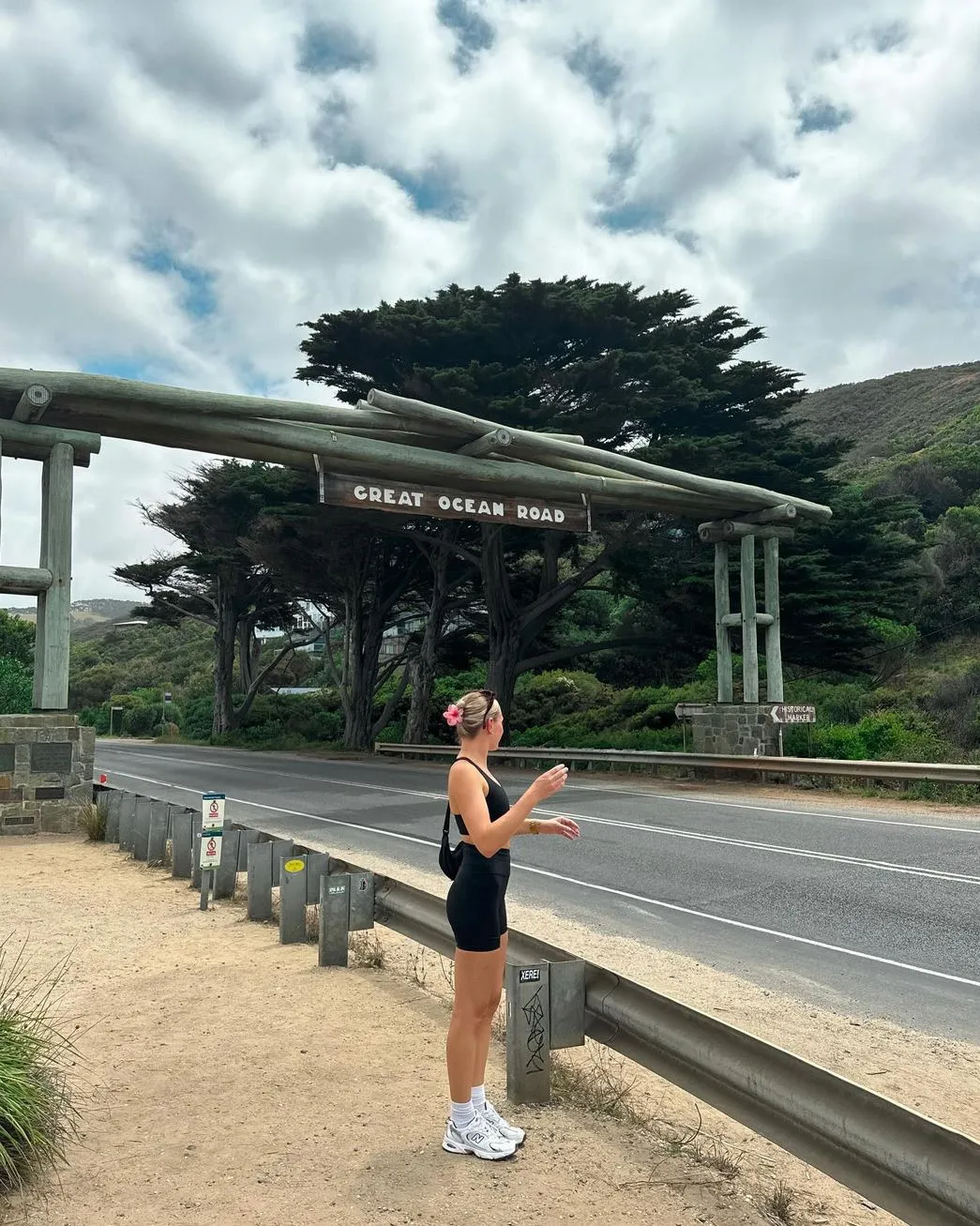
The Great Ocean Road is a man-made road built between 1919 and 1932 by returned soldiers from World War I. It was a war memorial and a way to connect remote coastal towns. Carved along the Victorian coastline, the road showcases some of Australia’s most amazing landscapes. A perfect blend of human ingenuity and natural beauty. This region is not just a scenic drive but a gateway to Australia’s history and culture.
Despite being a man-made structure the road itself blends in with the environment. The engineers and workers took great care to follow the natural contours of the land so as to disturb the scenery that attracts millions of visitors each year. The road also goes through areas significant to Indigenous people, highlighting the deep connection between Indigenous people and the natural elements of the region. The southern coast is not only beautiful but also has an interesting history, Indigenous people have lived here for thousands of years and relied on the area’s resources for survival.
The Natural Wonders
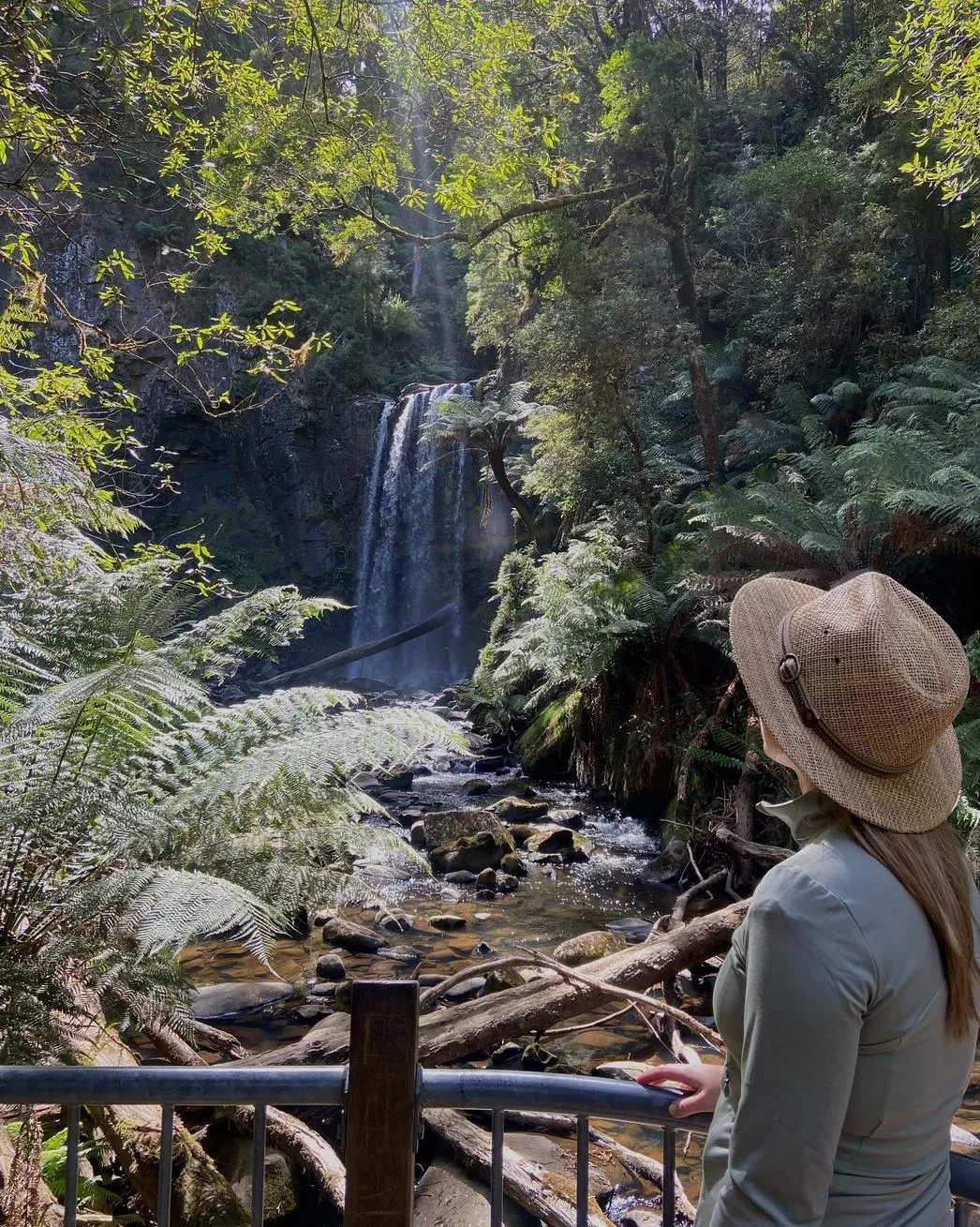
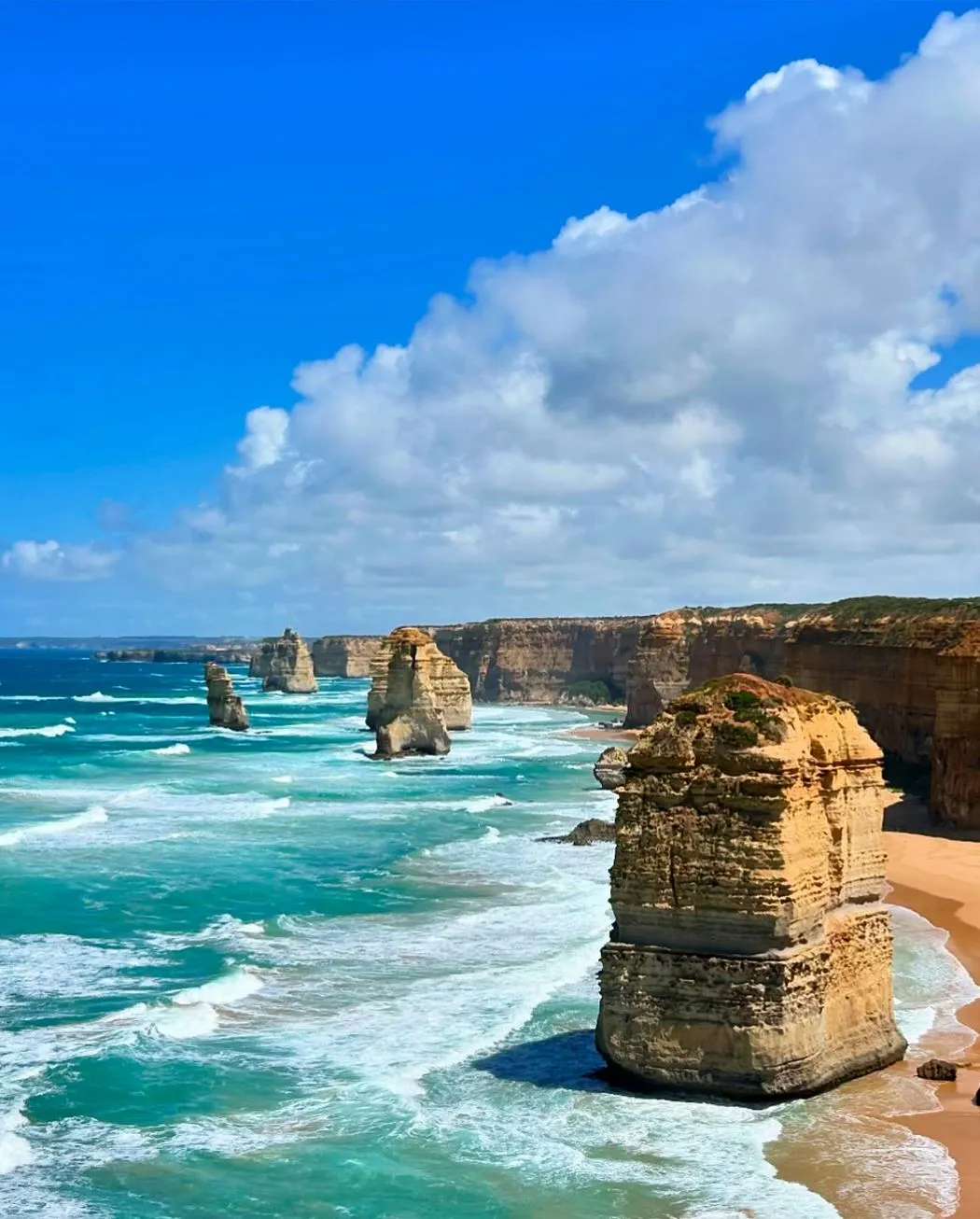
Although the road is man-made it provides access to many natural wonders that have been millions of years in the making. Some of the most famous natural wonders include:
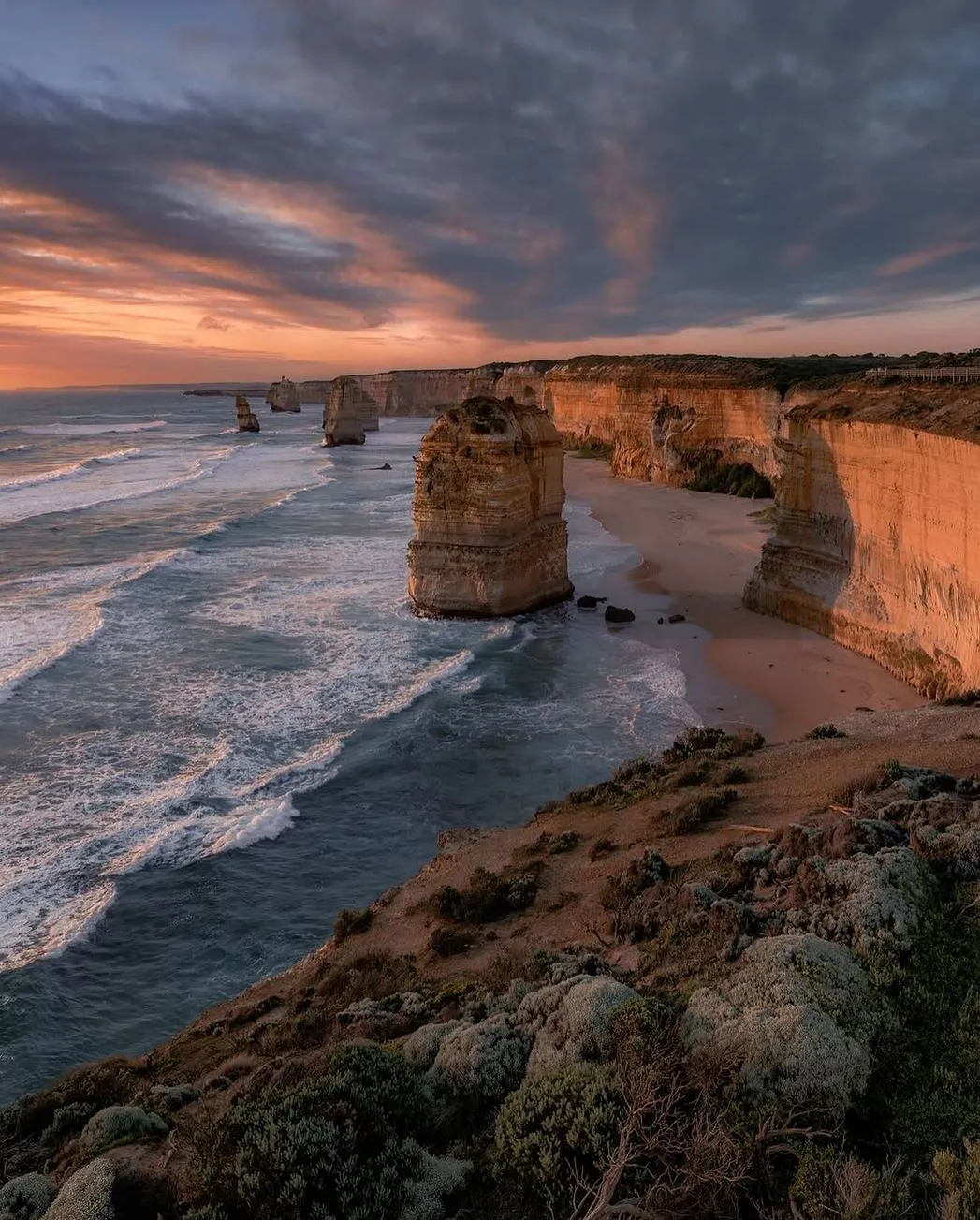
- The Twelve Apostles – These limestone stacks have been shaped by wind and ocean erosion to create one of Australia’s most iconic rock formations.
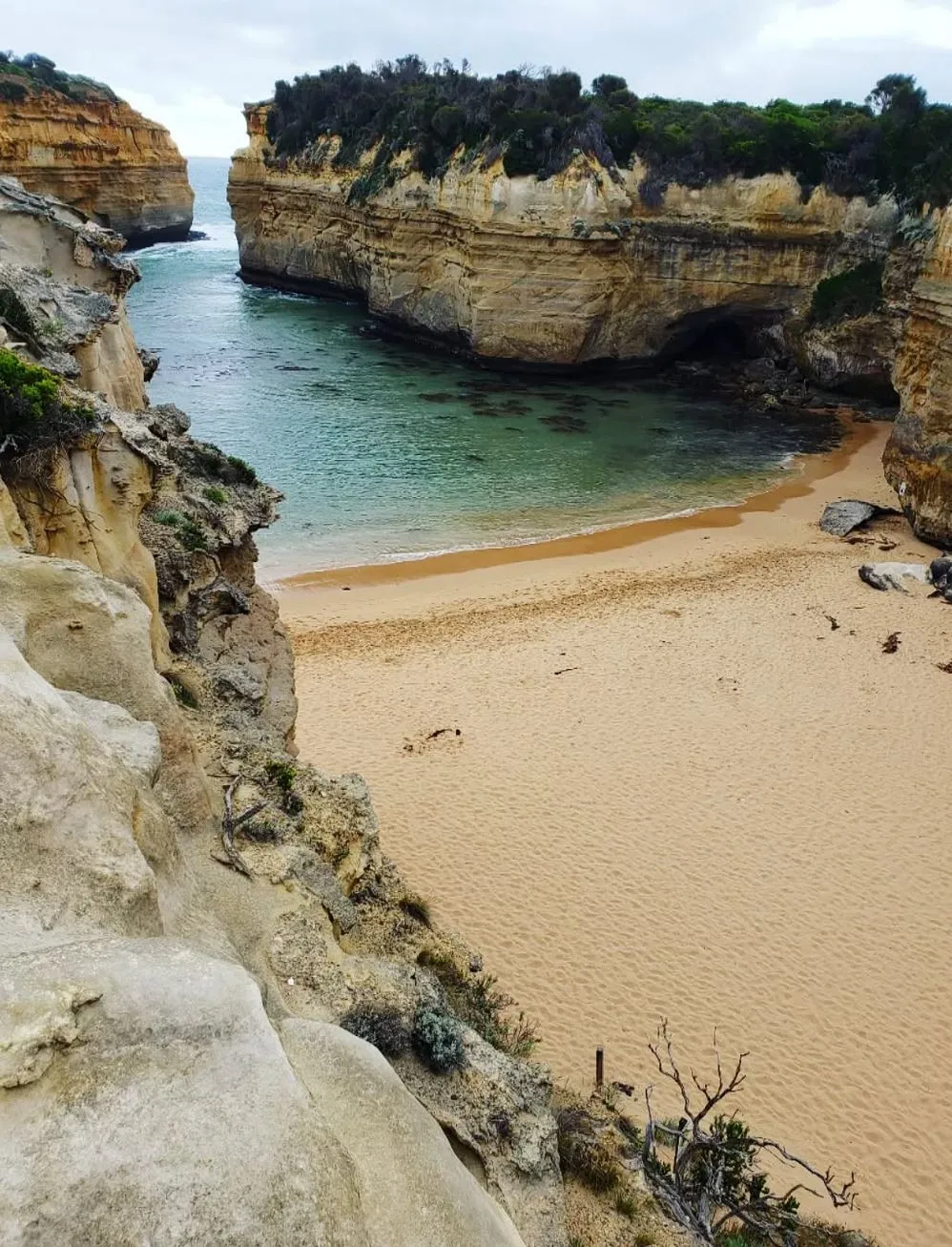
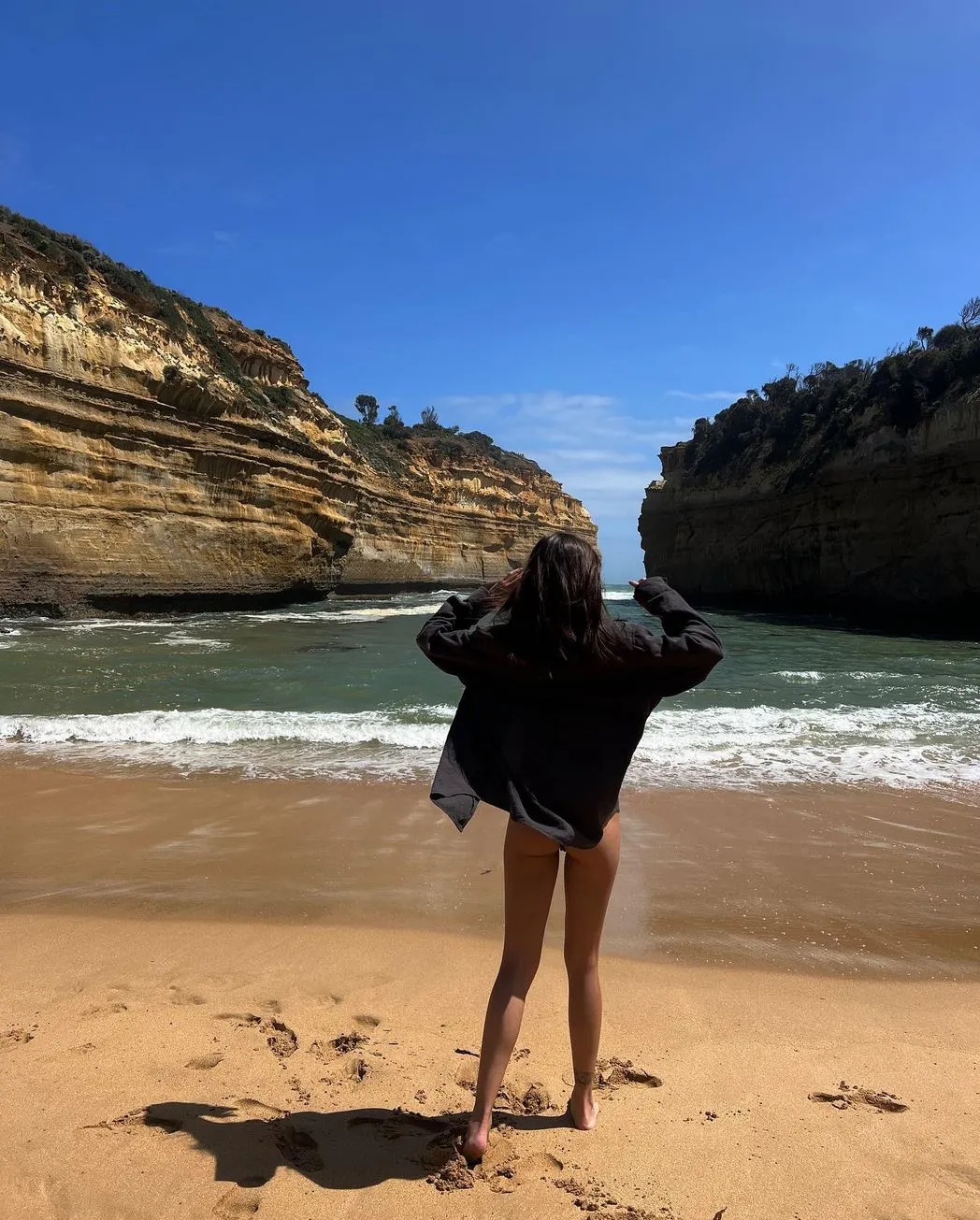
- Loch Ard Gorge – A stunning inlet with cliffs, named after a famous shipwreck, a glimpse into the history of maritime exploration.
- The London Arch – A natural rock formation that was once a double-arched bridge before part of it collapsed in 1990.
- Otway Rainforest – A green paradise filled with ancient trees, waterfalls and wildlife, part of the region’s natural habitat.
- Great Otway National Park – This huge park is home to waterfalls, unique wildlife and diverse landscapes that showcase the region’s natural heritage. A Great Ocean Road tour from Melbourne is the easiest way to see these natural wonders. Solo or with a group, guided tours are the way to go so you don’t miss out on the coastline, rock formations and national parks along the way. They stop at all the main landmarks so you don’t miss the history and beauty of the region.
Why It Matters
Understanding the history and significance of the Great Ocean Road makes this stretch of coastline even more special. It was built by humans and designed to showcase and provide access to nature’s beauty. Today it’s a war memorial and a gateway to some of Australia’s most stunning national parks. The road also helps protect the natural resources and wildlife of the southern coast.
For travellers the Great Ocean Road is an amazing road trip, a holiday experience. Whether you’re doing a day trip or a longer stay you can experience a pot of cultures, from local coastal communities to Indigenous heritage sites. Travellers with limited mobility can also find accessible lookouts along the way so everyone can enjoy this dream destination. The road trip experience is enriched by the history, scenery and connection to the region’s natural resources.
Planning Your Trip
A well-planned trip along the Great Ocean Road is key to a successful trip. Here are some essentials to consider:
- Road Map & Navigation: Due to the windy coastal roads and patchy mobile signal carry a detailed road map or backup power for your devices.
- Best Time to Visit: Spring and autumn are the best seasons with fewer crowds.
- Accommodation Options: From bed-and-breakfasts to luxury resorts there are plenty of accommodation options along the way to enhance your holiday.
- Exploring Nearby Attractions: Consider extending your trip to visit nearby medieval villages or explore the polar regions beyond Australia’s southern coast for a unique experience.
If you prefer a guided experience you can book a Great Ocean Road tour. Many tour operators offer one-day and multi-day itineraries with transportation, guided commentary and access to the main sights. This is a great option if you want to sit back and enjoy the views without worrying about navigation or planning.
The Great Ocean Road is more than a road trip. It’s a journey through Australia’s history, culture and natural landscapes. Whether you’re an adventurer, nature lover or just looking for a peaceful escape this is a must-do for an unforgettable holiday.
FAQ
Who built the Great Ocean Road?
Returned World War I soldiers built the Great Ocean Road between 1919 and 1932 as a memorial to their mates.
Is the Great Ocean Road all man-made?
The road is man-made but it leads to many natural wonders like the Twelve Apostles and Otway Rainforest.
What’s special about the Great Ocean Road?
It’s famous for its stunning coastal views, iconic rock formations, being the world’s largest war memorial and its connection to the region’s rich culture.
Can I drive the Great Ocean Road in a day?
Yes but we recommend at least two days to stop at all the scenic spots and attractions along the way, including national parks and medieval towns in the nearby towns.
What’s the best time to visit the Great Ocean Road?
Spring and autumn are the best times with mild weather and fewer crowds. If you want to do something different you might also want to explore the polar regions beyond Australia’s southern coast.